

What Makes Taekwondo Classes Different From Casual Fitness
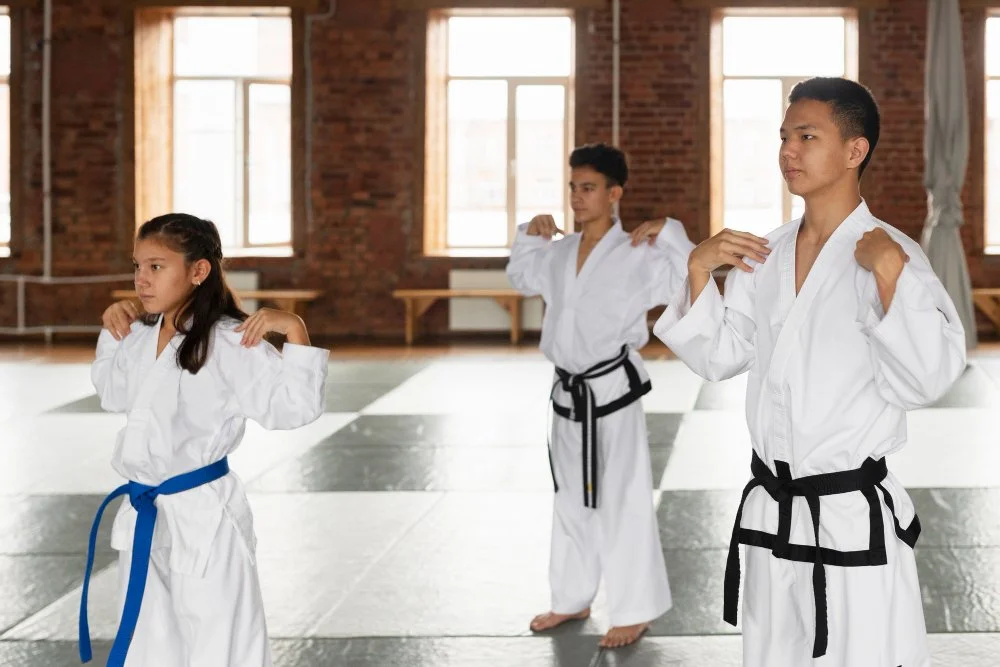
Fitness comes in various forms; however, not all workouts provide equal benefits. On the contrary, in Taekwondo classes, the curriculum is more than just exhausting or making one sweat. It entails the exercise that extends to mental work, improvement, and practice for a reason—elements that are disregarded in the majority of such fitness activities.
Here’s an exploration into the aspects of a structured Taekwondo training session that most unstructured exercises often miss.
A Defined Learning Path, Not Random Movement
Regular fitness routines often vary from day to day based on trends or whims. The curriculum used in taekwondo is entirely different. Each preceding lesson in taekwondo progresses toward the next lesson in an orderly manner.
With taekwondo, learning starts with the basics and then moves on to specifics. The result is a journey of safely pushing the body while ensuring that the journey means something to the mind. One gains the sense that improvement is intended to be a waiting, not just another arbitrary occurrence.
Why Structure Creates Consistency and Commitment
Structure is essential to maintaining interest because without it, motivation can wane. Within a taekwondo class, routines, expectations, and forms of accountability are in place to help keep students' interest.
A structured environment would mean:
To be punctual and come regularly,
To work hard during all training sessions.
Show respect to instructors and fellow students.
Such an environment promotes an expectation that one will work hard and show up even when tired, turning training into a routine, rather than an activity affected by mood fluctuations.
What Sets a Taekwondo Class for Beginners Apart?
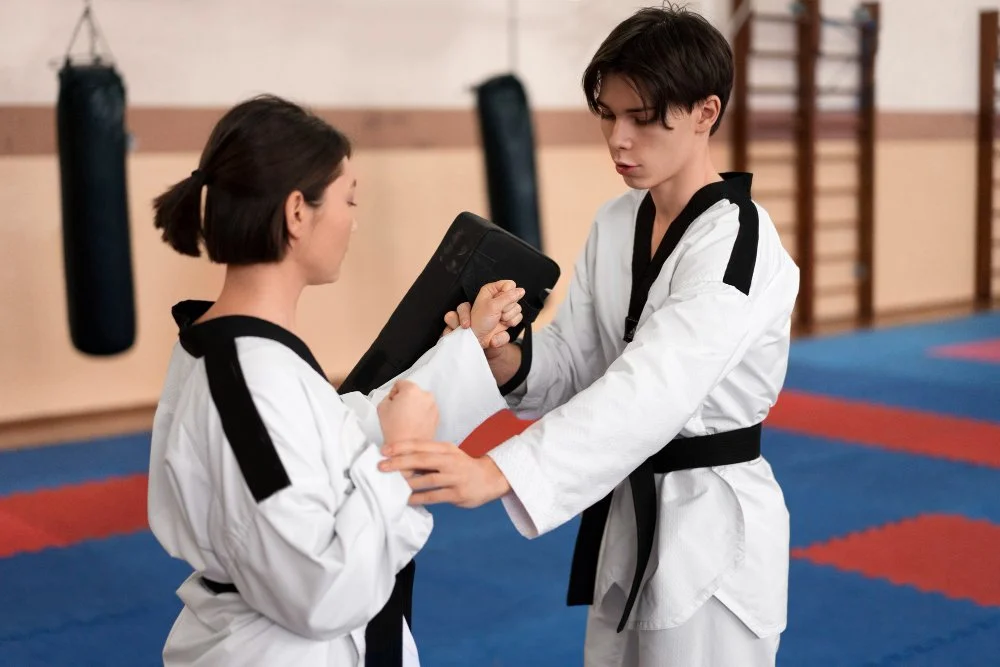
A taekwondo class for beginners addresses learners' needs as they are. Instead of applying pressure to new pupils, attentive structuring introduces ideas gradually.
In the case of beginners, be prepared to:
Engage in training techniques rather than merely how to hit
Understand safety
Encourage small wins that build people’s self-esteem
Such a method allows one to establish trust and lets one continue the process until positive outcomes are achieved.
Community and Identity in Structured Training
Unlike casual fitness environments, which embody individual effort, taekwondo is an art that emphasizes collectivism. All students practice in pairs or in groups and spur one another on; each of their victories is a common reason for celebration.
Uniforms and certain practices strengthen the sense of engagement. The specifics of the ATA taekwondo t-shirt, for instance, help foster this notion; these are struck, and students couldn’t emphasize a lack of structure and purpose in their involvement.
Progress Is Measured, Not Guessed
Casual workouts often involve no system of benchmarks. The taekwondo arts demonstrate advancement through benchmarks: skill improvement, form enhancement, and belt promotions.
These benchmarks or recognition level—
Keep motivation steady
Help students recognize improvement
Reinforce patience and long-term thinking
The advancement made will become noticeable, relevant, and driven by the student.
Training With Purpose at Fort ATA Martial Arts
At Fort ATA Martial Arts, structured Taekwondo will be available and is designed to develop both character and fitness levels. Each class follows a proven curriculum, beginning with basic skills and moving to higher-level mastery in a "safe" class and disciplined environment.
If you are looking for more than a simple exercise, something that teaches you to be consistent and determined, and truly focuses on intense Taekwondo and martial arts training. Martial arts training could be for you! Find out how to train with a specific intention and continue that discipline until the end.