

The Connection Between Self Defense Training and Decision-Making Skills
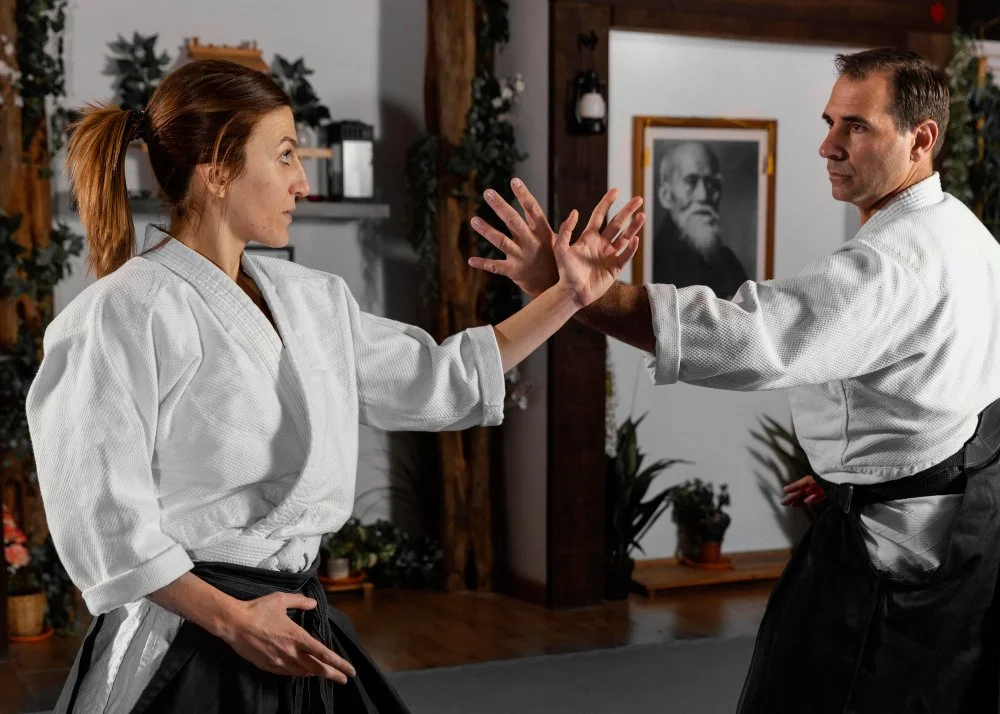
Decision-making is a fundamental skill that people of all ages use daily; however, most people don’t notice it in action. Whether it’s how to behave in public or when to take action or rest, such a decision-making aspect is vital for confidence, protection, and development. One of the more organized methods of enhancing this skill is anti-bullying training, which helps inculcate concepts such as observation, selection, and assuming responsibility at an early stage of the learning curve.
The focus within the following six sections is on how practicing self defense enhances decision-making in real life, in one way or another.
1. Awareness Comes Before Action
Effective decisions start with being observant. Self-defense training involves teaching students to observe their surroundings, pick up on nonverbal signals, and anticipate threats before they manifest.
Instead of being rash, instinctive people, the training must help the students possess the ability to:
Who is involved in a situation
What signals indicate discomfort or danger
When it is appropriate to disengage or seek help
This habit of self-awareness brings the privilege of exercising control over decision-making rather than revealing emotional outbursts.
2. Why Calm Thinking Matters Under Pressure
Stress often causes hasty judgment. The environment in the training program is a significant way to constructively apply pressure so that students will consistently learn to handle pressure.
Through repetition and simulation, students could learn how:
To regulate their breath amidst tension
To maintain focus despite disturbances
To think soundly rather than rush into decision-making
3. How Structured Training Builds Mental Frameworks
Decision-making will improve when learners follow a consistent and systematic approach. Self-defense training entails a detailed account of each drill, strengthening your logic.
The learners start to know:
Cause-and-effect relationships
Consequences of different responses
How small choices could influence outcomes
4. Learning Choices Through Children’s Self Defense Classes
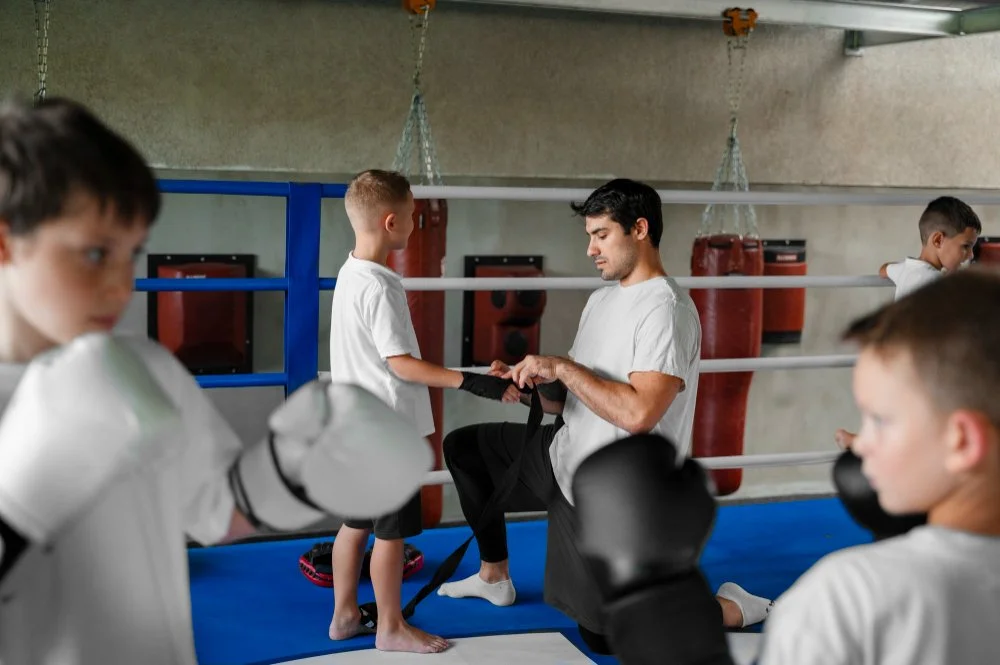
In children's self defense classes, decision-making is embedded into physical movement and social interaction. Children are guided to choose safe, appropriate responses rather than aggressive ones.
They practice:
Deciding when to stand their ground or step away
Communicating clearly with peers and instructors
Asking for help at the right moment
These lessons help children build confidence in their choices while maintaining safety and respect.
5. Reflection Strengthens Better Decisions Over Time
Reflection is a tool through which individuals can actually develop insights into good decision-making. After the training, it is not uncommon for students to go over what went well and what can be improved.
Reflective mechanisms inspire students to:
Conscientiously consider past choices
Scrutinize possible changes that might be made in future decisions
Recognize behavior-like patterns and implications
With time and practice, reflection transforms one into a conscious, more confident decision-maker.
6. Decision-Making Through Self Control and Patience
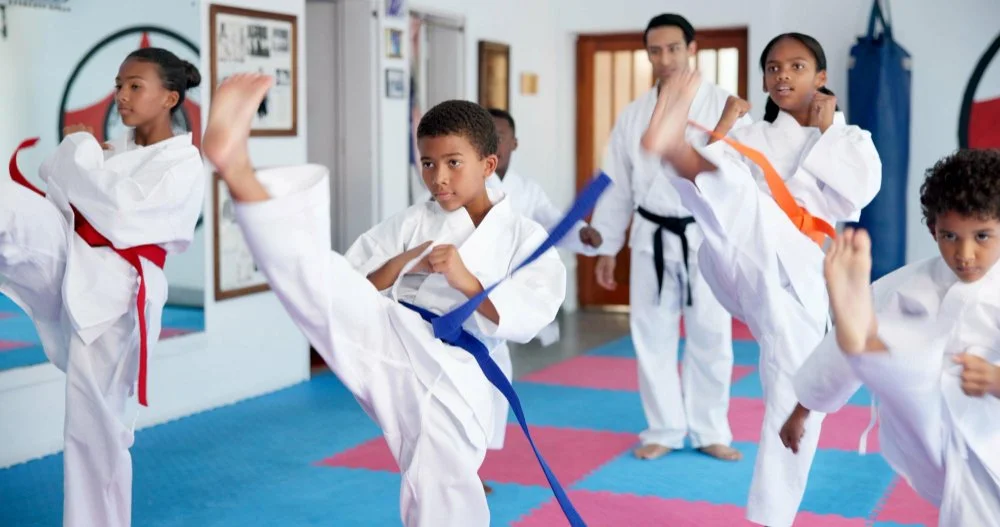
The ability to apply reasoning and logic when making decisions requires self control and patience, especially in circumstances of high emotional involvement. Through drills and instruction, a person can learn to refrain from using force, assess the situation, and decide on the best course of action.
Each student is taught that:
Avoid jumping to any conclusion prematurely
Most of the time, a calmer response results in a safer outcome
Making choices this way helps develop a sense of self-assuredness in the individuals eventually
Conclusion: Supporting Smarter Choices Through Training
Daily reflection through guided practice and training enhances decision-making competence, encouraging a clearer mindset and more deliberate behavior in the face of the day-to-day wave of life.
Whether you are looking for a training environment that embraces thoughtful decision-making beside physical skills, one cannot overstate the profound teaching that Fort ATA Martial Arts does in fostering such growth, for true wisdom is the sum of several informed choices.