

How Anti-Bullying Training Guides Children Through Peer Pressure Calmly
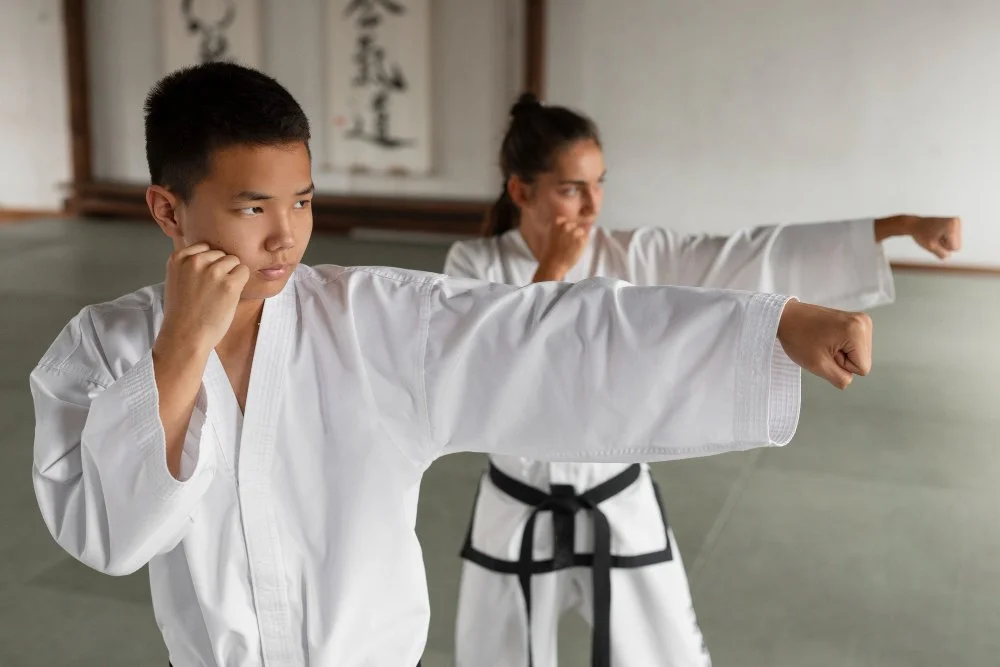
Efforts to become part of society begin in childhood, through both passive and active experiences, for example, in the classroom or among friends. In many circumstances, these relationships shape their opinions, feelings, and attitudes towards a situation. Anti-bullying training provides the child with insight into these situations at close range, as well as the rational and constructive conduct of opponents for retaining an emotional balance and taking appropriate action.
This program provides a framework for building emotional strength that helps one in school, friendships, and day-to-day interactions.
Why Emotional Awareness Shapes Confident Responses
Children who can see their emotions generally handle them better. By helping kids understand their feelings of fear, upset, or anger, they can curb their impulsive actions.
With guided practice, the child can learn:
Emotion Recognition
Calming Thinking
Thoughtful Expression/Communication
Appropriate Response
The more awareness they have, the more they can respond confidently, not in fear, and the more they can start being healthy in their social connections.
How Consistent Training Builds Emotional Stability
Calmness comes through practice. Structured programs help children learn to stop, take a deep breath, and reflect before they react. Over time, this consistency promotes an emotional state and clarity of thought.
Regular practice helps children:
Remain in front of rapid execution
Communicate quietly
Stay mentally stable
Build self-confidence slowly
These habits are the building blocks for navigating awakeful, undesirable, and intense social settings.
Building Social Confidence Through Movement and Focus
Physical exercise is integral to the nurturing of an emotional self. Balance, coordination, and bodily self-awareness support mental and emotional growth and contribute to psychic well-being. As their kids feel secure in other areas of their physical selves, their emotional resilience also toughens in relation.
This interplay between physical functioning and emotional focus helps young ones develop confidence in themselves; hence, their peers' influences make sense to them rather than feel like a threat.
Learning Awareness and Boundaries Through Practical Training
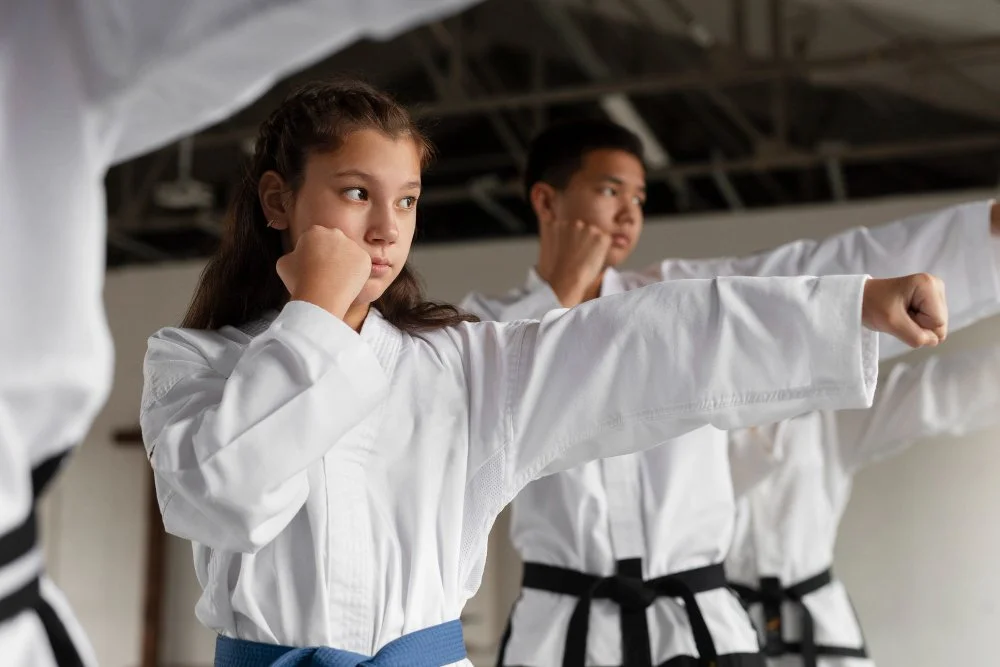
Well-structured children's self-defence classes teach children about personal space, social boundaries, and situational awareness. These lessons teach children how to recognise unsafe behaviour early and respond calmly without panic or aggression.
Through consistent guidance, children develop:
Strong awareness of surroundings
Respectful communication
Calm conflict resolution
Emotional restraint
These skills help children manage social situations responsibly while maintaining personal confidence.
Encouraging Thoughtful Choices in Daily Life
Peer pressure appears in small moments, whether in-group behavior or in some poking. Now, focusing on helping children pause and reflect will help all of us make wiser decisions and act less on emotions.
The following aspects constitute a reflective mechanism:
Responsible decision making
Sound judgment
Emotional stability
Positive social behavior
Inculcating children with strategies for such situations helps fortify them against peer and external pressure when making decisions.
Developing Calm Habits That Support Lifelong Growth
Regular training and emotional maturity are correlated constructs. With time, children can develop a degree of self-control and patience that withstands any frustration, disappointment, or social stress without breaking or weakening.
These ways of dealing with emotions help one establish deeper relationships, maintain concentration in studies, foster emotional growth, and become more confident and kind-hearted as one grows up.
Building Emotional Strength for a Confident Future
Healthy emotional growth counts on consistent guidance, structured learning, and supportive environments. Fort ATA Martial Arts helps children develop confidence, emotional literacy, and calm decision-making by emphasizing paced learning and prioritizing their long-term development.
For your child to develop insightful responses, emotional resilience, and a dynamic social awareness, Fort's ATA Martial Arts provides a nurturing space for strong peer interaction, where children learn to relate with confidence, poise, and respect.