

How Martial Arts Schools Foster Leadership, Respect, and Responsibility
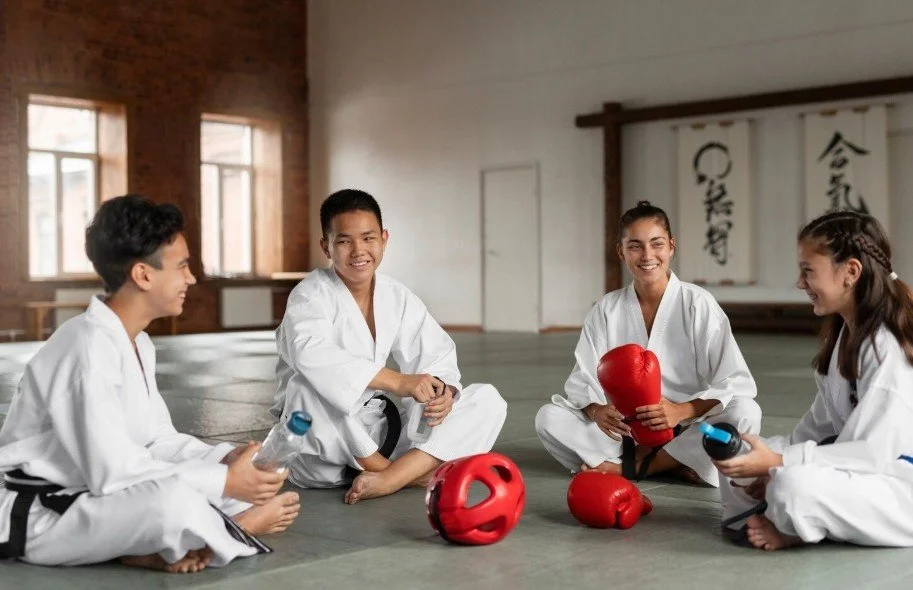
When one thinks about martial arts schools, traditionally, the first thought that comes to mind is physical study, but the real learning often begins even before a foot is placed on the mat. Bowing, positions, and moves; it involves a far greater dimension: a sense of discipline, respect, and honesty. In these situations, most students quickly get the message that it is not so much the art of gymnastics for the control of others that is in question, but rather the control of self.
Even from the beginning of the practice, students understand that where there is a desire to lead, there must also be a way to teach it. To how same respect, there needs to be listening involved. Responsibility is taught through actions and frequent practice. All these concepts help in shaping a good direction to follow and adhere to, both its principles, while engaging in practice and overall life.
Leadership Starts with Self-Discipline
Leadership in martial arts doesn’t come from commanding others—it comes from leading by example. Students learn to arrive on time, follow instructions, and give full effort in every drill. These small but consistent acts of discipline shape the mindset of a leader.
The Building Blocks of Leadership:
Set personal goals and stay committed to achieving them.
Take initiative in class without being told.
Help newer students who may be struggling.
Reflect on their performance and improve daily.
As students grow, they transition from following guidance to guiding others—naturally stepping into leadership roles both in the dojo and in everyday life.
Respect: The Unspoken Rule of the Mat
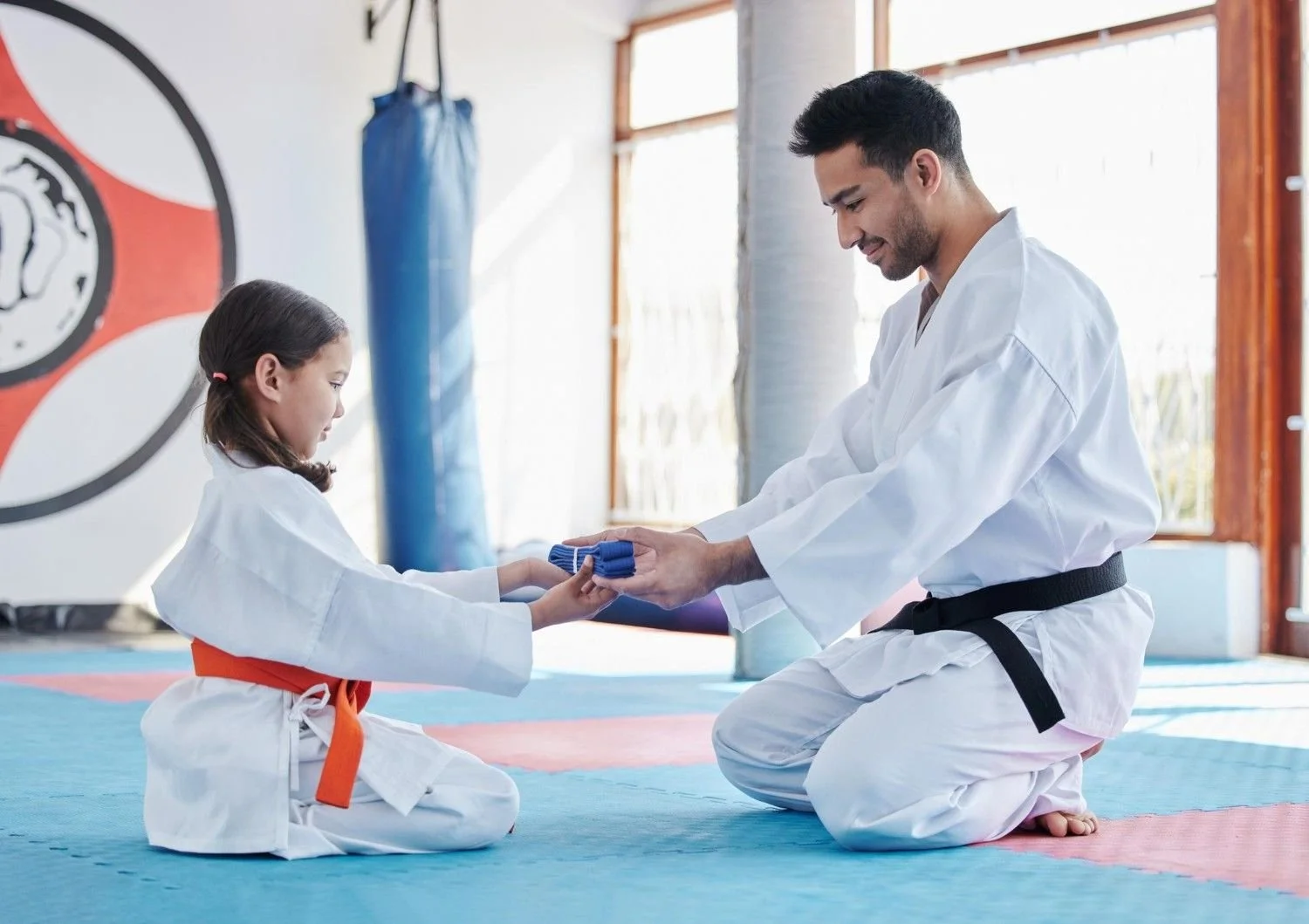
Martial arts are often one of the first things learned and retain great importance throughout training. The bow is said to have several meanings. It may be to show respect to the instructor; it may be shown to classmates. The concept teaches humility- realizing that every individual, regardless of rank or ability, deserves respect.
How respect is taught in training:
They control their power so as not to injure their training partner.
They accept criticism without being defensive.
They respect their opponents by giving a good fight.
This ethos of respect spills over to everyday life, creating students who are polite in their conduct, far-sighted in thought, and formed with emotional intelligence.
Responsibility Through Repetition and Reflection
Consistency builds character. Students quickly learn that mastery doesn’t happen overnight. By showing up to practice even on difficult days, they develop accountability—a key component of personal responsibility.
Instructors often assign small tasks like helping clean the mat, organizing gear, or assisting younger students. This is to keep reinforcing the idea that responsibility is not about authority but about service. Eventually, students extend these life habits outside the dojo to how they deal with school, work, and relationships.
How Martial Arts Classes Reinforce Life Lessons

In martial arts classes, students do not simply learn self-defense strategies; they go through mental coaching as well. The repetition, coupled with mentoring, turns values into lifestyles rather than concepts. Every session is aimed at strengthening one’s character.
Particularly, the task of a complicated kata or the avoidance of fouls when sparring with the opponent takes place in an atmosphere of patience and effort. These “soft skills,” as they are known, such as managing emotions, concentration, and discipline, are beneficial to themselves. They tend to be correlated with children and adolescents’ academic achievement and enhanced emotional growth.
The ATA Approach: Turning Training into Transformation
Programs such as the ATA martial arts even take this philosophy a step further. They incorporate life skills into each and every component of the training, focusing on leadership training, setting goals, and participating in community events. The students learn to maintain their bodies in a fit, healthy state and to develop effective fitness and character through a series of obstacles and reward mechanisms.
At Fort ATA Martial Arts, the journey for every student is not about belts or trophies; it is about growing as a person. The instructors, however, replace that with the strengthening of self-esteem, building up the bounce-back factor in each individual, and giving everyone the means to exert leadership in a positive way.
Ready to Begin Your Journey?
Are you prepared to assist your child or even yourself, for that matter, with acquiring more confidence, respect, and responsibility?
Find a place that nurtures and instills all these values in every lesson —the Fort ATA Martial Arts is the right choice —and begin your journey to be the best version of yourself—inside and beyond the dojo.